What That Pork Package Really Means for Manitoba
March 10, 2026
461 words | Read time: 2 min
Back To Newsroom
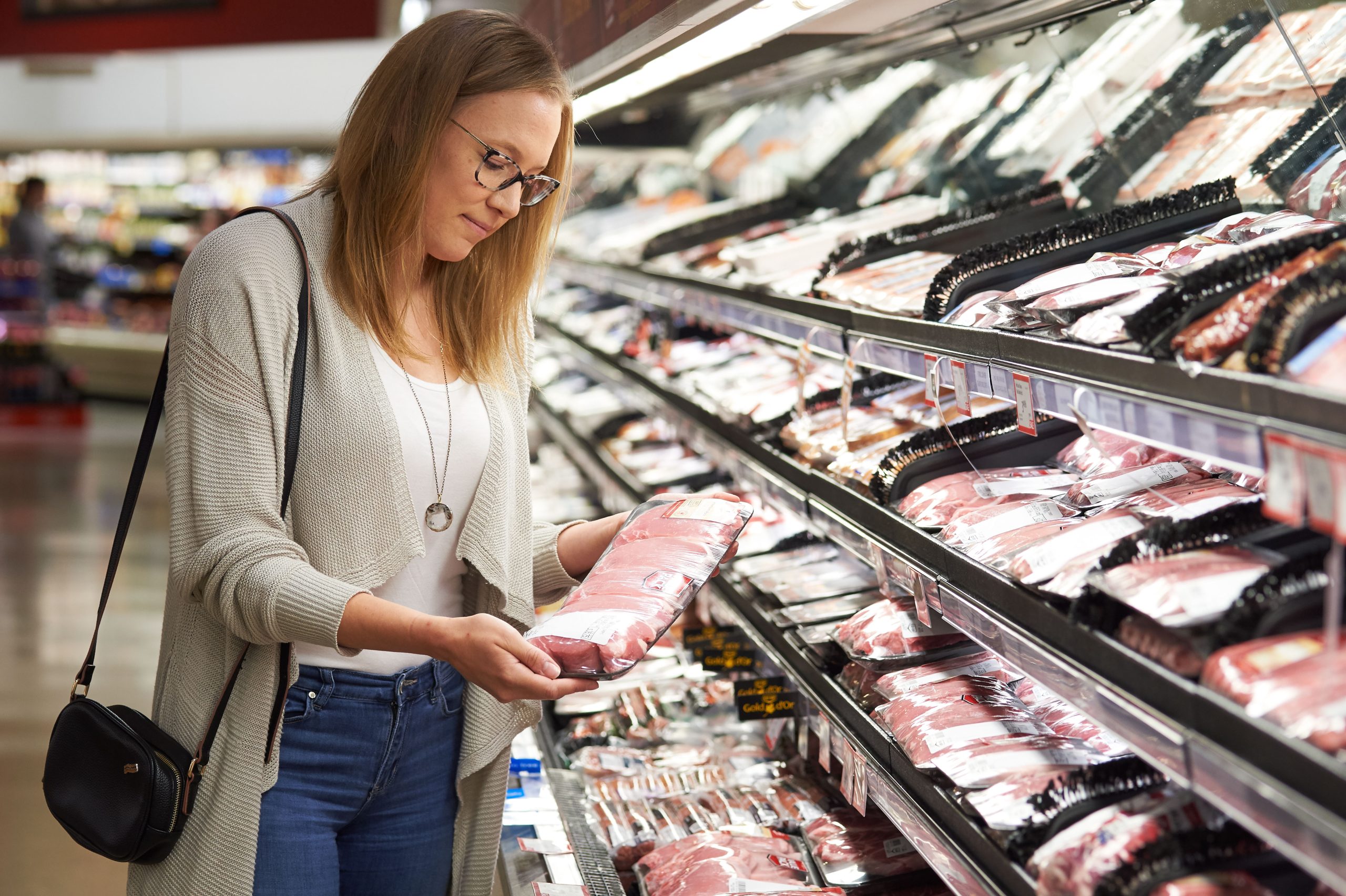
What does pork mean to you? Perhaps you see it as an affordable, delicious source of protein. You wouldn’t be wrong. But you might not realize how that single package has an impact that spans beyond the plate.
It’s no secret that over the past five years, grocery prices have continued to surge, putting strain on many lives across the province. Data from Farm Credit Canada shows that since 2022, the price of beef and chicken rose 38 percent and 22 percent, respectively. However, the price of pork has increased by only 13 percent.
While meat prices are expected to remain relatively high for the rest of this year, pork prices at the grocery store are predicted to remain relatively flat. Key factors behind this stability include sustainable farming practices and minimal supply chain disruptions, which in turn help shoppers stretch their grocery dollar.
But grocery prices aren’t the only reason Manitobans are selective with their spending.
Recent data from Probe Research shows that 75% of Manitobans are looking to fuel the Canadian economy by buying local. Supporting the Canadian hog sector is simple. Shoppers can look for the Western Canadian or Verified Canadian Pork label or ask the meat department staff at their local grocery store for help if they’re unsure.
Manitoba’s hog sector is also responsible for upwards of 22,000 direct and indirect jobs in rural communities across the province, as well as in major centers like Winnipeg and Brandon. When you combine all the people working in the sector, it’s enough to fill both the Canada Life Centre and Blue Cross Park. This strong employment base helps keep families in their communities by providing stable, year-round jobs that support local businesses and services.
Farmers, major pork processors and others in our sector remain committed to doing their part to ensure that our provincial economy continues to grow in small towns and big cities by investing in the farms and businesses, which helps pay for the vital services we all rely on, like infrastructure, health care, and education.
Statistics compiled by Winnipeg Economic Development & Tourism show Manitoba’s hog sector contributes more than twice as much to the provincial economy as the aerospace sector, trailing only transportation, advanced manufacturing and energy in overall economic impact. Manitoba’s hog sector contributes over $2.3 billion to the provincial GDP each year, equivalent to 72 new elementary schools in South Pointe, 16 emergency room expansions at St. Boniface Hospital, or 11 new overpasses at the Perimeter Highway and St. Mary’s Road.
Whether you’re preparing a meal in your kitchen or picking up groceries at the store, that single package of pork plays a meaningful role in supporting the things that matter most to all of us.
To learn more, visit manitobapork.com/economy