Manitoba’s Hog Sector Building a Sustainable Future
May 8, 2026
688 words | Read time: 3 min
Back To Newsroom
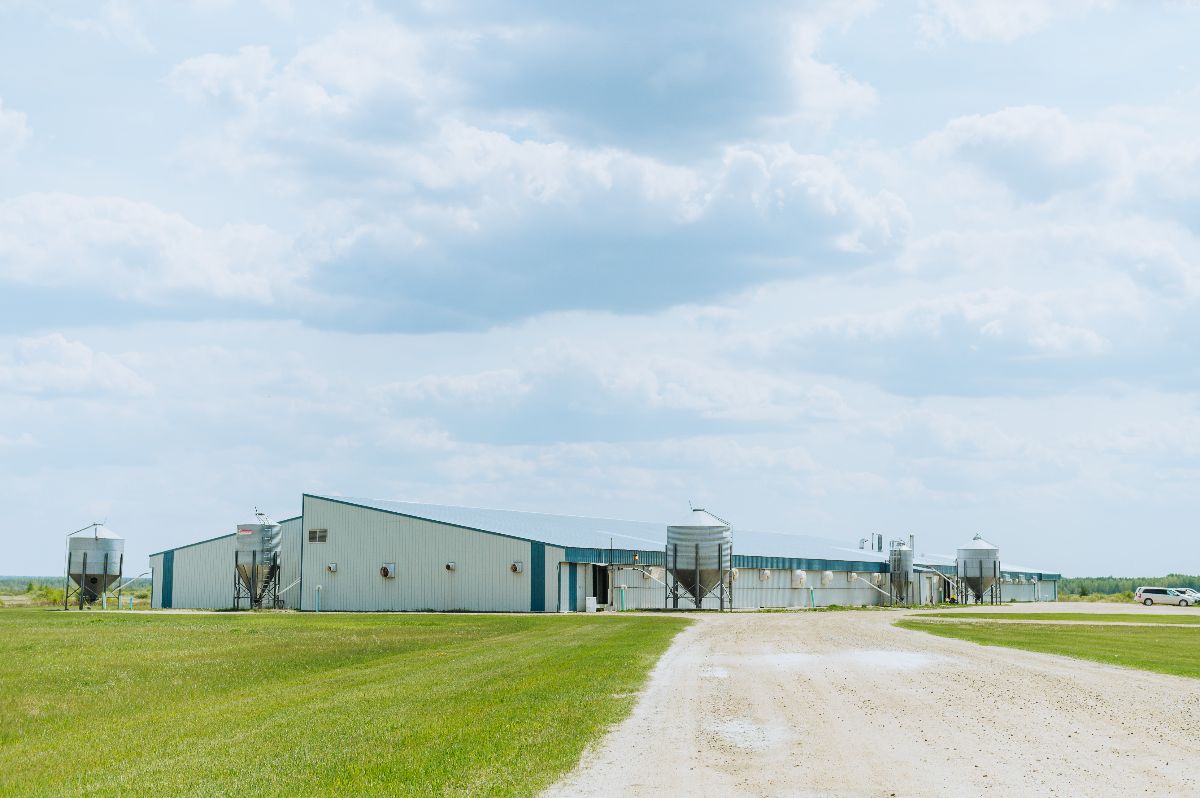
As Manitobans get ready for camping season, it’s a good time to revisit The Campsite Rule. No matter where you go, the guiding principle is simple: leave the space better than you found it.
Those who work in Manitoba’s hog sector take that rule to heart. For agriculture to continue moving forward, farmers must be good stewards of the land. That means growing crops, raising livestock, and bringing products to market sustainably while preserving that legacy for the next generation.
Manitoba Pork and hog farmers around the province are committed to advancing sustainability in every facet of hog farming and pork production. The organization’s Sustainability Framework focuses on five key pillars, guiding efforts in economic resilience, environmental stewardship, community well-being, animal care, and collaborative growth.
“Sustainability in agriculture extends beyond a strict focus on environmental metrics,” said Jean-Michel Couture, Partner and President of Groupe AGÉCO, the organization that helped Manitoba Pork develop the Framework.
“When we evaluate a sector’s sustainability, we are really asking: can this system thrive in the long-term while supporting the people who depend on it, the communities it operates in, and the natural resources it relies upon?”
Clear goals and commitments support each of Manitoba Pork’s five sustainability pillars, guiding efforts and communicating progress to producers, stakeholders, and the public. The Framework outlines Manitoba Pork’s role, potential targets, impacts on producers, and areas where collaboration with partners is essential for driving meaningful change.
Take, for example, the organization’s commitment to community well-being. Manitoba Pork and its farmers have a long track record of supporting community causes throughout the province.
That support includes partnerships with organizations like Harvest Manitoba, where the industry has helped supply freezers and ground pork to urban and rural food banks. Manitoba Pork also supports local amateur sports programs, helping strengthen recreation and community connections.
Beyond charitable and community partnerships, the pork sector is also an important economic contributor. The industry provides well-paying, high-quality jobs in communities provincewide, supporting families and local economies alike. Manitoba Pork also collaborates with the Association of Manitoba Municipalities to help address emerging community and sector needs through ongoing dialogue and partnership.
Together, these efforts reflect a broader commitment to sustainability by helping leave Manitoba communities stronger and better supported for the future.
One of the key pillars of the Framework is to maintain efforts to reduce the greenhouse gas emissions of pork production through collaboration with sector partners and stakeholders. Increased efficiencies have significantly reduced the environmental footprint of pork production in recent decades, including lowered water and energy use and reduced carbon emissions. With ongoing research and a commitment to continuous improvement, pigs can be raised even more efficiently while maintaining stringent animal care standards.
“In developing its Sustainability Framework, Manitoba Pork went to great lengths to ensure its commitments had identifiable, positive, and practical impacts for producers that enabled progress without demanding progress,” said Couture. “This Framework not only sets a course for continuous improvement but also seeks to identify how producers and other key collaborators have maintained efforts over the years to ensure Manitoba’s hog industry is competitive, efficient, and responsible.”
For generations, farmers have managed our natural resources and provided food for the world, all from right here in Manitoba. Manitoba Pork, along with other agricultural organizations, is committed to empowering those who will take the sector into the future on a sustainable path.
“Back in 2011, Manitoba Pork was one of the first commodity groups in Canada to publish a sustainability report and roadmap,” Couture said. That early commitment has since evolved into the organization’s new Sustainability Framework — part of a broader shift in Canadian agriculture, where commodity groups are moving away from isolated efforts toward coordinated action.
“When one commodity group raises the bar, it creates momentum that elevates sustainability practices across the agricultural landscape,” he said.
Leaving things better than you found them means protecting what matters today while preserving it for future generations. Guided by continuous improvement and a strong commitment to animal care and environmental stewardship, Manitoba’s hog sector is helping build a more sustainable future for agriculture.
To learn more, visit manitobapork.com/sustainability-framework/